Changchun Realpoo Photoelectric Co.,Ltd.

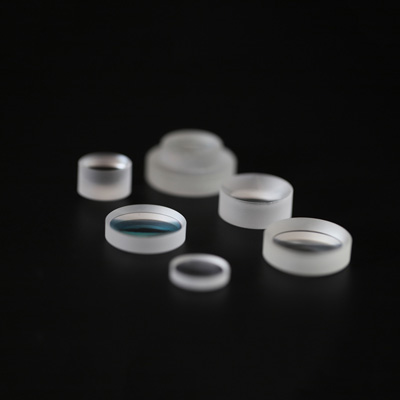
An optical window is a transparent optical component that allows light to pass through while providing mechanical protection to the system or instrument it is integrated with. Optical windows are often made from materials that are transparent to a specific wavelength range of light and are designed to minimize any distortion, loss, or reflection of light passing through them.
Key Features of Optical Windows:
-
Material: Optical windows are typically made from materials that are transparent over specific wavelength ranges. Common materials include:
- Glass: Often used for visible light applications.
- Quartz: Transparent in the UV and IR ranges.
- Fused Silica: Known for high optical quality and low absorption.
- Sapphire: Hard, scratch-resistant, and transparent to visible and infrared light.
- Zinc Selenide (ZnSe): Used for infrared optical systems.
- Borosilicate Glass: Common in general-purpose applications.
- Thickness: The thickness of the optical window is chosen based on its mechanical strength, optical properties, and the specific application. Thin windows are often used for high-resolution optical systems, while thicker windows may be necessary for protective purposes.
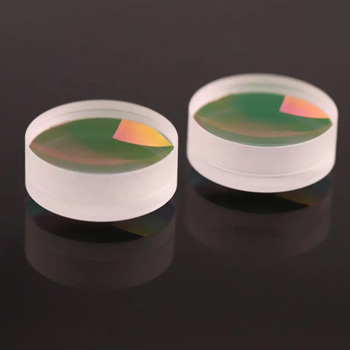
- Coating: Some optical windows may be coated with anti-reflective coatings to reduce reflection loss and improve transmission through the window. This is particularly important for high-power laser systems.
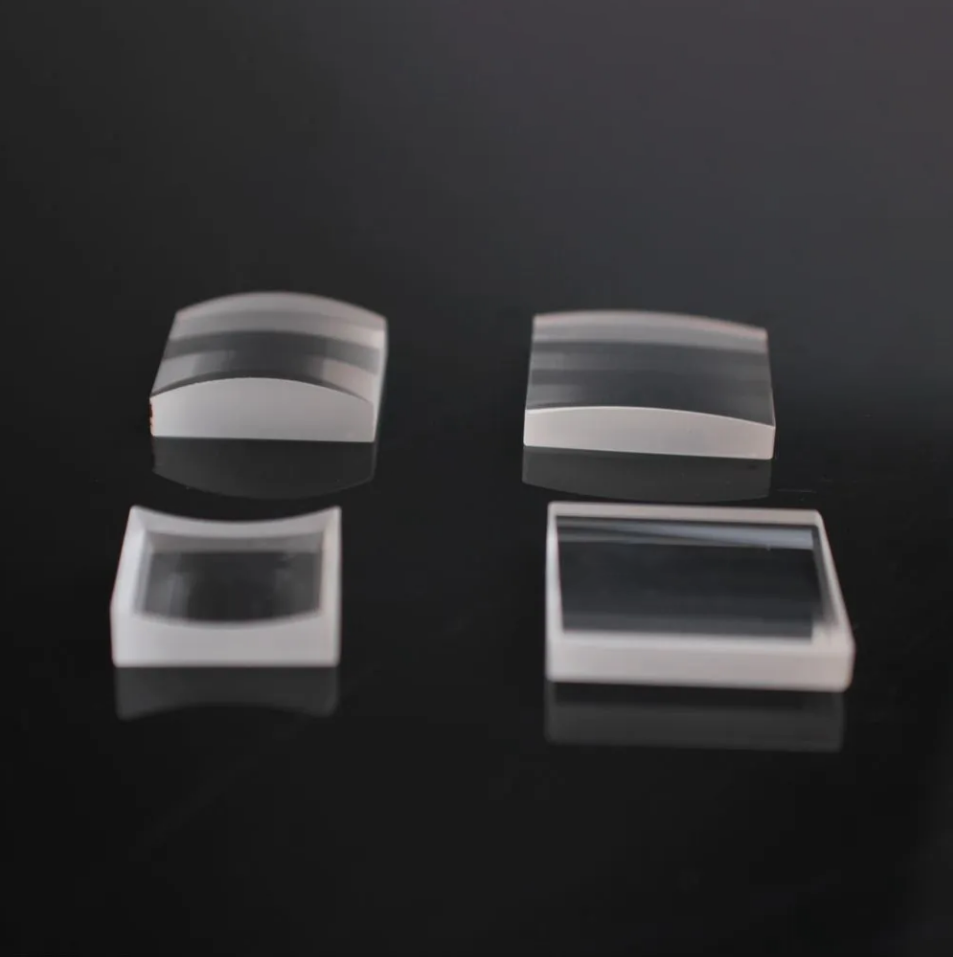
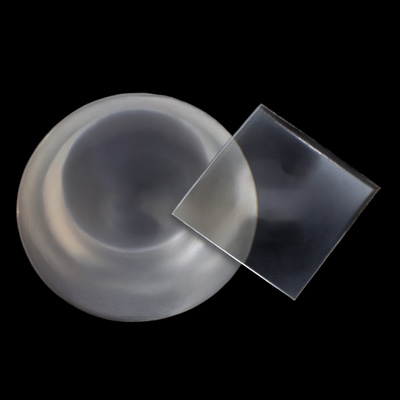
- Shape: Optical windows come in various shapes, such as circular, square, or rectangular, depending on the design of the system they are used in.
Applications of Optical Windows:
- Laser Systems: Optical windows are often used in laser systems to protect sensitive components from contamination, dust, and physical damage while allowing the laser beam to pass through with minimal interference.
- Cameras and Imaging Systems: Optical windows are commonly found in cameras, microscopes, and other imaging systems, where they act as protective barriers between the external environment and the optical system, allowing light to pass through without significant distortion or loss of quality.
- Spectroscopy: Optical windows are used in spectrometers, which analyze the light spectrum. The window allows light to enter the system for analysis while protecting the delicate internal components.
- Medical Devices: In medical imaging systems, such as endoscopes, optical windows help protect the optical components while providing a clear path for the light used in imaging.
- Environmental Protection: Optical windows are used in harsh environments to protect sensitive optical systems from dust, moisture, and other contaminants. For example, they are used in telescopes, satellites, and other outdoor applications.
- Solar Cells and Solar Panels: Transparent windows are also used in solar cells and panels to allow sunlight to pass through and reach the photovoltaic cells while protecting them from environmental damage.
- Lenses in Instruments: Optical windows are often integrated into the lens systems of optical instruments like telescopes, cameras, and microscopes, providing protection for the lens elements and ensuring the system remains functional over time.
Optical Properties:
- Transmission: The ability of the window to transmit light without significant absorption or scattering. The material of the optical window is chosen based on its transmission properties for the specific wavelength range needed.
- Reflection: Reflection loss at the surface of the optical window is an important factor. Anti-reflective coatings are commonly applied to minimize reflection and increase the transmission of light.
- Surface Quality: The surface of the optical window must be smooth and free from defects to prevent optical distortions like scattering or loss of image quality.
Advantages of Optical Windows:
- Protection: Optical windows provide a protective barrier for sensitive optical components while still allowing light to pass through.
- Durability: Many optical windows, especially those made from materials like sapphire or fused silica, are highly durable, scratch-resistant, and can withstand harsh conditions.
- High-Precision Transmission: Optical windows can be designed for high-precision applications, ensuring minimal light loss and high transmission efficiency.
- Customization: Optical windows can be customized in terms of size, shape, material, and coatings to suit specific applications, making them versatile for use in a wide range of optical systems.
Conclusion:
Optical windows are vital components in many optical systems, providing both protection and high-performance light transmission. They are used in a variety of applications, from lasers and spectroscopy to medical devices and solar systems, ensuring that the system's optical elements are shielded from environmental damage while maintaining the necessary optical performance.